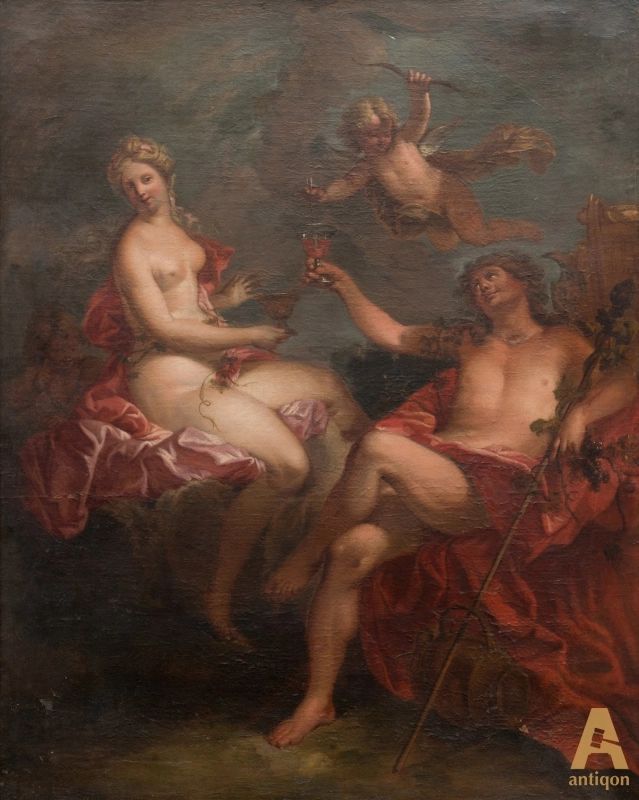
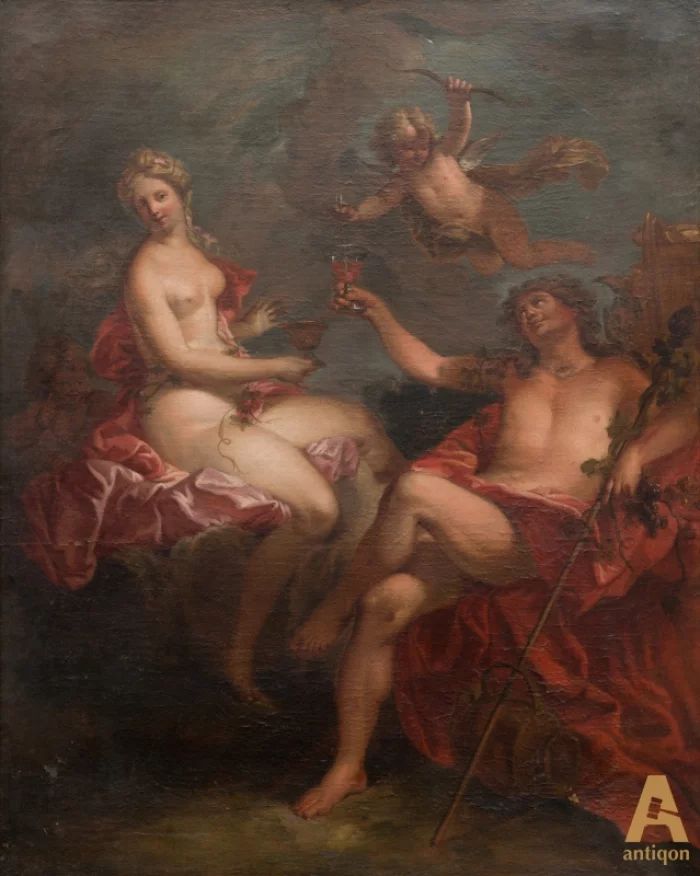
BACCHUS, CERES AND CUPID ITALIAN SCHOOL, LATE 17TH – EARLY 18TH CENTURY
AntiqonART consultant will contact you within one business day after receiving your request.
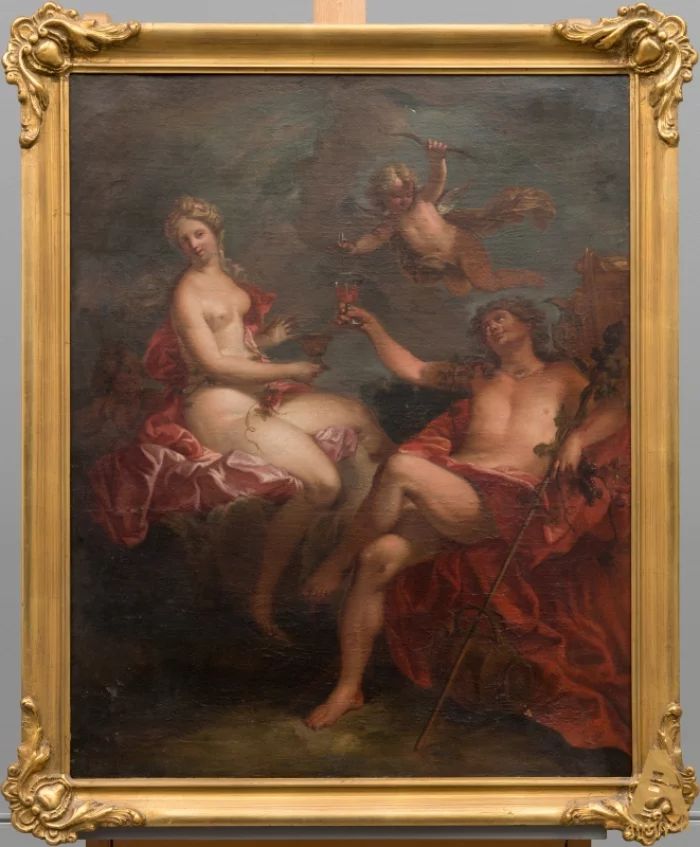
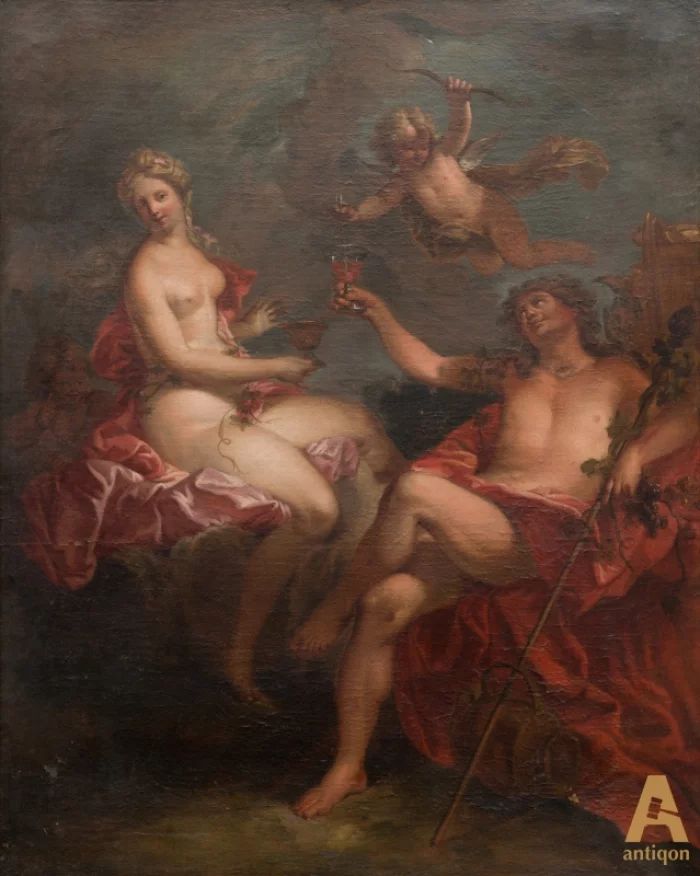
A mythological composition in the spirit of Italian Baroque depicting Bacchus (Dionysus), the Roman goddess of fertility Ceres, and winged Cupid. The scene is an allegory of abundance, joy, and love, symbolising the harmony of life’s forces. Bacchus is shown crowned with grapevine leaves, holding a thyrsus, his semi-nude body wrapped in a purple drapery. He extends a cup towards Ceres, who is portrayed in radiant light, almost nude, draped with a rose-pink cloth. Above them hovers Cupid, embodying divine love and union. The painting demonstrates refined modelling of flesh tones, rich colours, and luxurious folds characteristic of late Baroque.
Dimensions: Height 80 cm; Width 65 cm; Depth (with frame) 10 cm.
Material: Oil on canvas.
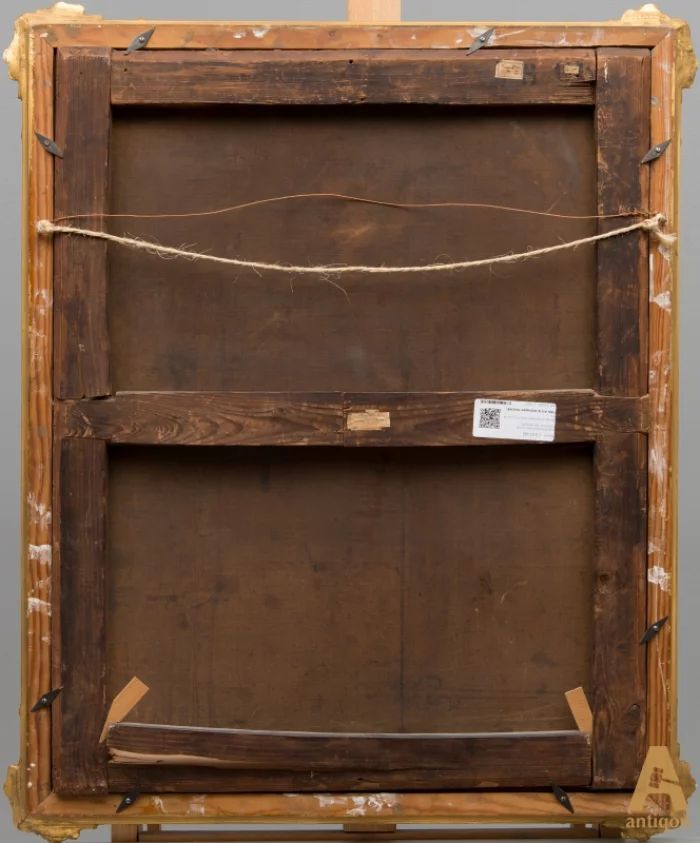
Condition: Canvas on an old stretcher, with patina of age and minor abrasions of the paint layer; gilded frame.
Provenance: Private European collection.
The depiction of Bacchus, Ceres, and Cupid reflects the essence of European painting of the 17th–18th centuries, where mythology served as a universal allegorical language. Bacchus, god of wine and ecstasy, embodied inspiration and nature’s unrestrained power. His cult was linked to harvest festivals and theatrical mysteries, making him a central figure of Baroque art. Ceres, goddess of fertility and agriculture, symbolised earthly abundance and cycles of renewal. Cupid personified irresistible love and desire.
The combination of these three deities creates an allegory uniting fertility, the joy of the grape harvest, and the power of love — the foundations of human life. Such compositions were especially popular in Italian and Flemish Baroque painting, where they served both as decorative and philosophical reflections on the eternal cycles of nature and human passions. Artists sought to blend ancient mythology with Baroque aesthetics — dynamic compositions, dramatic light, and rich drapery. This work embodies theatricality, sensuality, and allegory, key to the cultural ideals of its time.
Overall good collection condition: canvas on old stretcher, with patina of age and minor abrasions of the paint layer; gilded frame.
The condition report is provided for informational purposes only.
It is not comprehensive and may not reflect all defects, restorations, alterations, or adaptations, as Antiqon does not perform professional conservation-level assessments. The information is based on a qualified, yet subjective, evaluation by our specialists.Before purchasing, we recommend consultation with an independent expert.Please also consult our Terms and conditions and Glossary A-Z, which contain important information on lot characteristics and sale conditions.