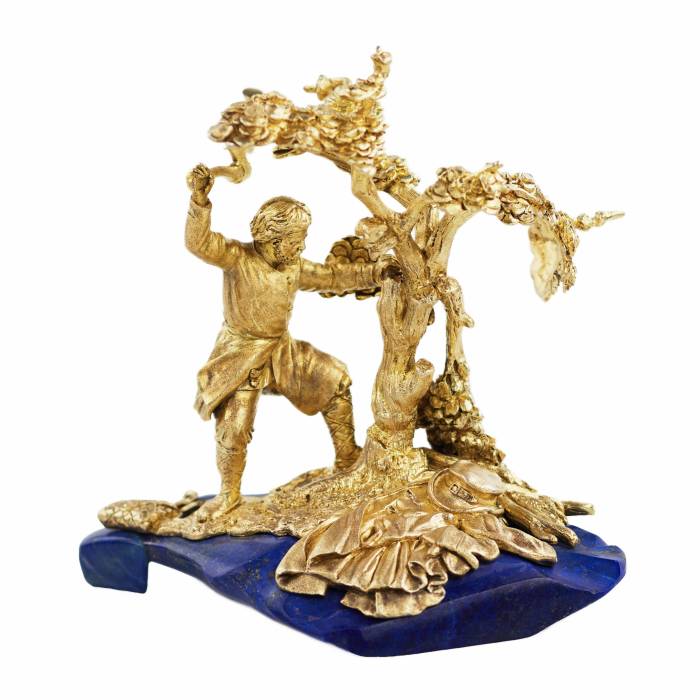
Price:
6500 €
Add to cart
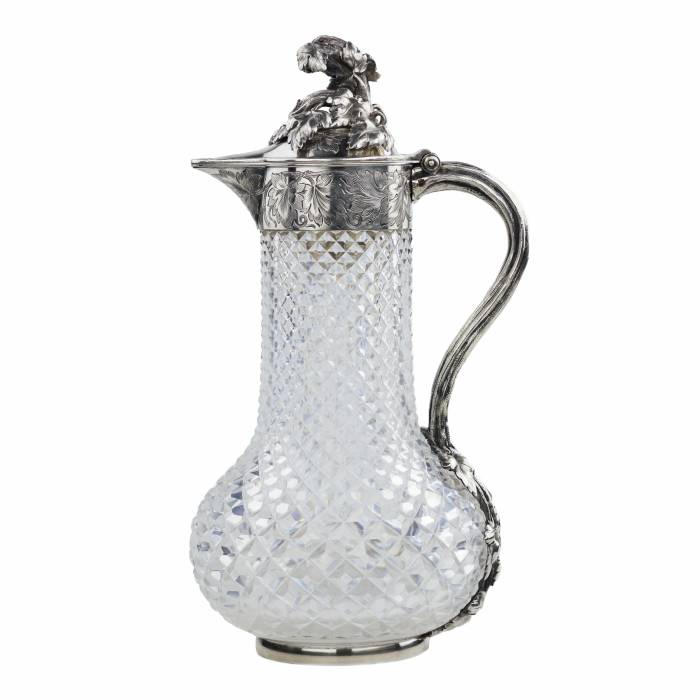
Nicols & Plinke was one of the most prominent Anglo-Russian retail houses in Saint Petersburg in the late 19th - early 20th century. Appointed Purveyor to the Imperial Court in 1901, the firm specialised in high-quality silver and jewellery and acted as a significant intermediary between leading Russian workshops and the international luxury market.
We will only share latest what our month on the NICOLS & PLINKE.
HISTORY AND DEVELOPMENT
Founded in Saint Petersburg by British entrepreneurs, Nicols & Plinke developed from the mid-19th century as a prestigious retail and commission house catering to the upper strata of society and the foreign community of the imperial capital. The firm was not a manufacturing factory with a full production cycle, nor did it operate a large in-house workshop. Instead, it functioned as a retail and commissioning structure, placing and supervising orders with leading silver and jewellery workshops in Moscow and Saint Petersburg. Until 1917, Nicols & Plinke maintained a stable and influential position within the Russian Imperial luxury market.
TITLES, DISTINCTIONS AND COMMISSIONS
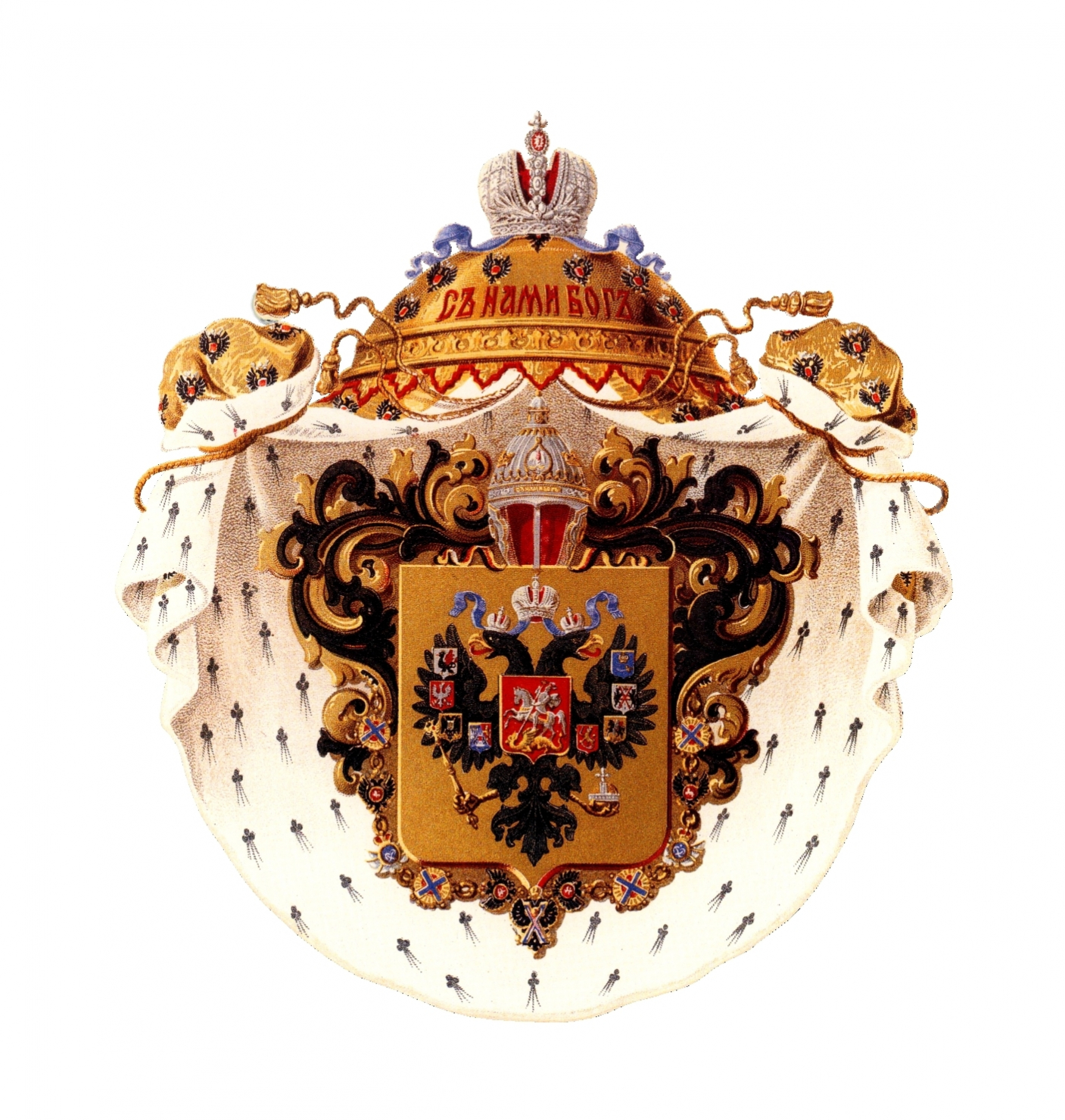
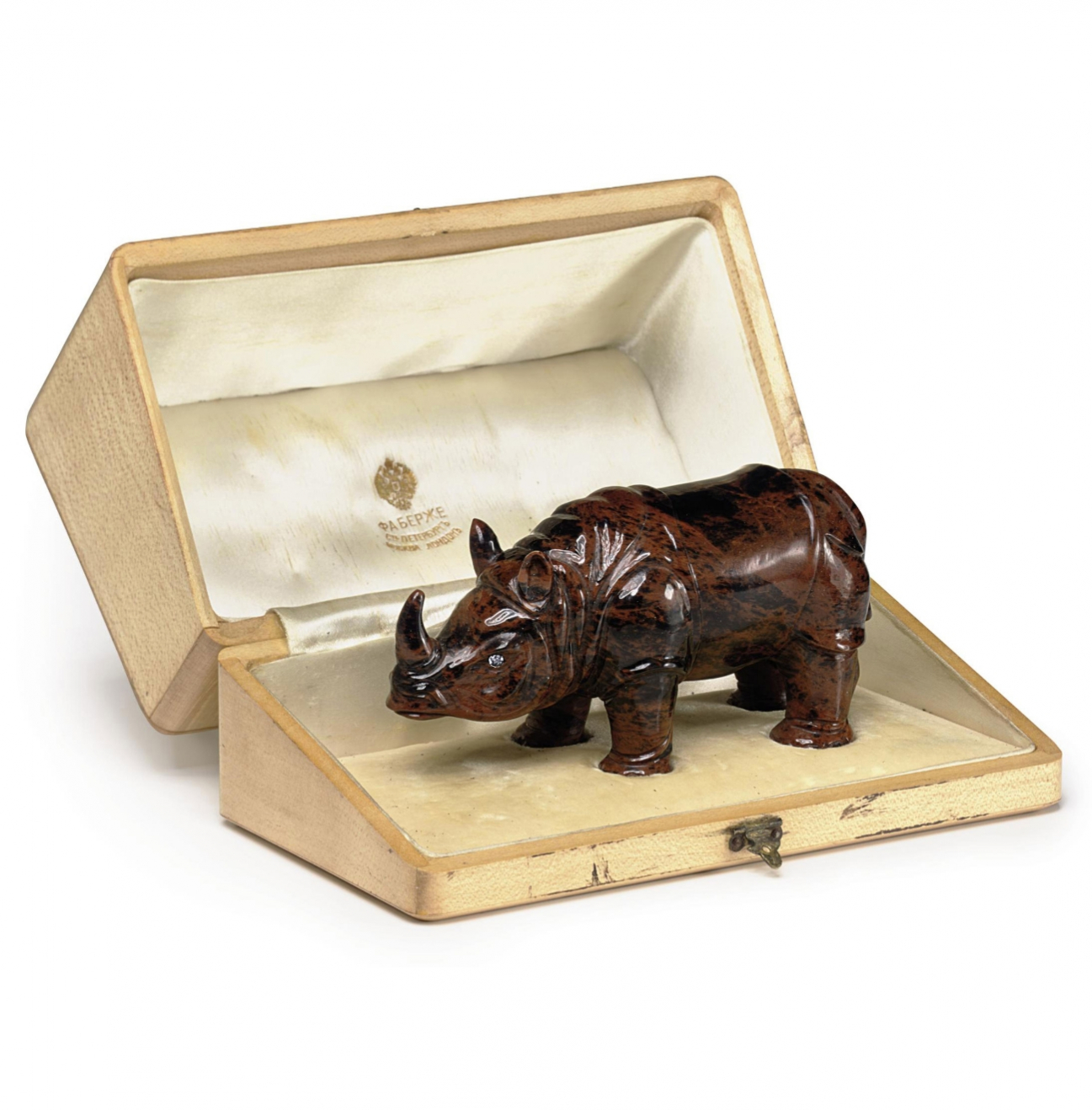
In 1901, Nicols & Plinke was granted the official title of Purveyor to the Imperial Court. The firm served members of the high aristocracy, the diplomatic corps and affluent private clients. Its activities focused on the distribution of ceremonial and representative objects, including silver tableware, presentation pieces and jewellery. Of particular importance were its agency and commercial relationships with the House of Fabergé, as well as collaborations with Moscow workshops specialising in enamelwork and the artistic treatment of silver.
ARTISTIC SPECIFICITY AND TECHNIQUES
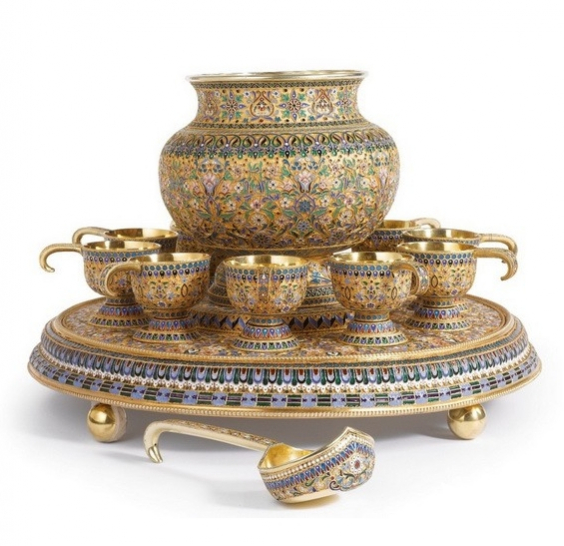
The firm’s range comprised silver and gold objects executed in the styles of Historicism, Art Nouveau and Russian Revival. Items featuring cloisonné and champlevé enamel, engraving, niello, gilding and decorative stone elements were widely represented. The Nicols & Plinke retail mark was used as the identifying sign of the commission house and was applied to objects produced for the firm by various independent workshops.
LEGACY AND MASTERPIECES
Associated with Nicols & Plinke are silver tableware and ceremonial objects of the late 19th - early 20th century, as well as jewellery and decorative works commissioned from leading Russian masters. Objects distributed through the firm are represented in museum and major private collections and are regularly cited in scholarly publications and specialised catalogues devoted to Russian silver and jewellery.
PRICE HISTORY
Exceptional works: Ceremonial silver and jewellery of museum quality commissioned by Nicols & Plinke from leading workshops for the Imperial Court and the highest aristocracy. Estimated price range €150,000-500,000.
Rare works: Characteristic objects bearing the firm’s retail mark, including silver tableware and presentation pieces with advanced decorative treatment. Estimated price range €30,000-120,000.
Series works: Standard production distributed through the retail house, based on established models of the late 19th - early 20th century. Estimated price range €3,000-25,000, depending on condition, executing workshop and artistic complexity.