×
Create account and receive
15% DISCOUNT
your first acquisition
or
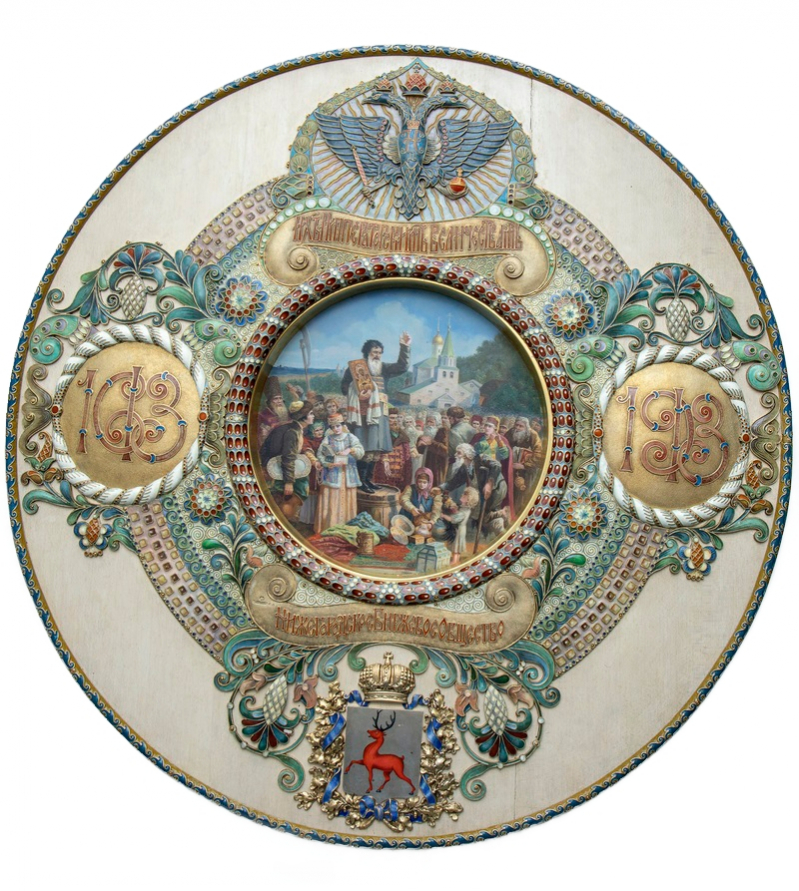
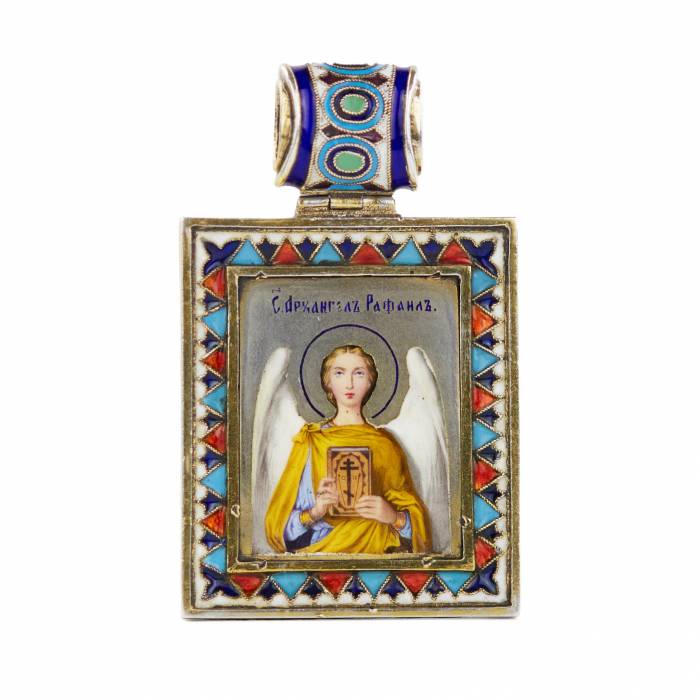

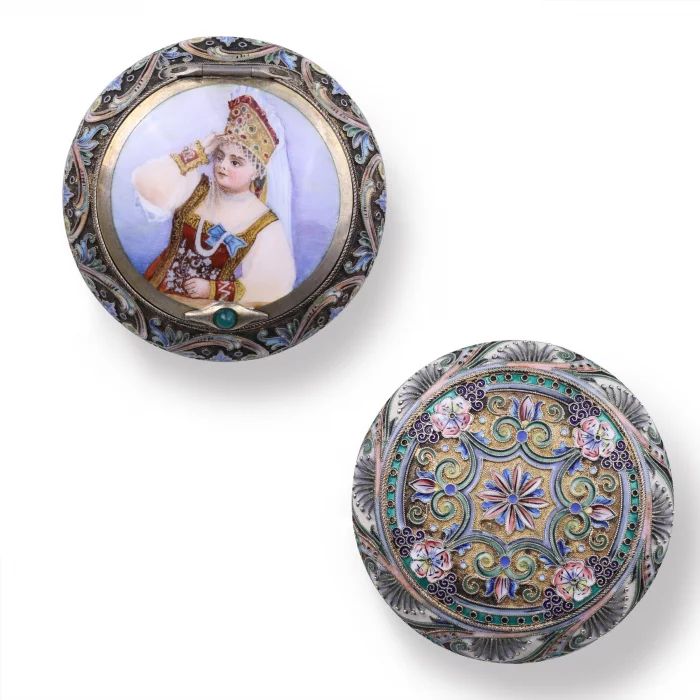
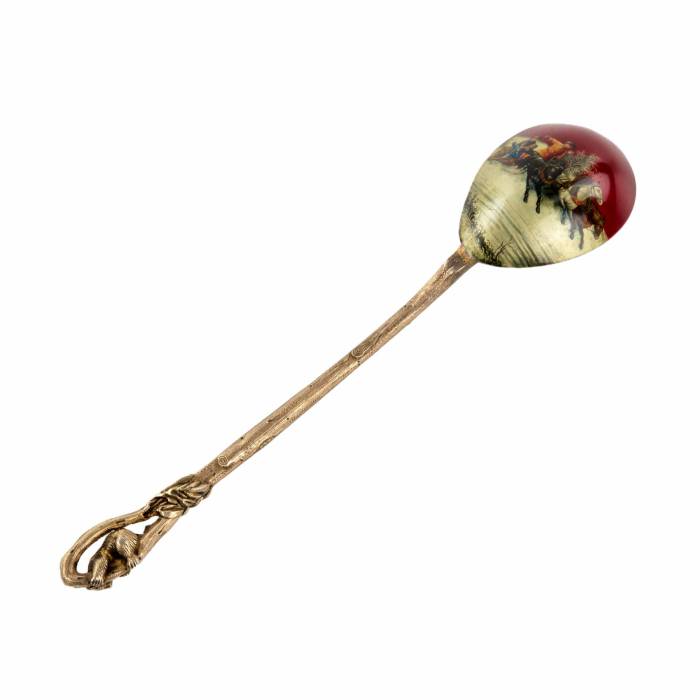
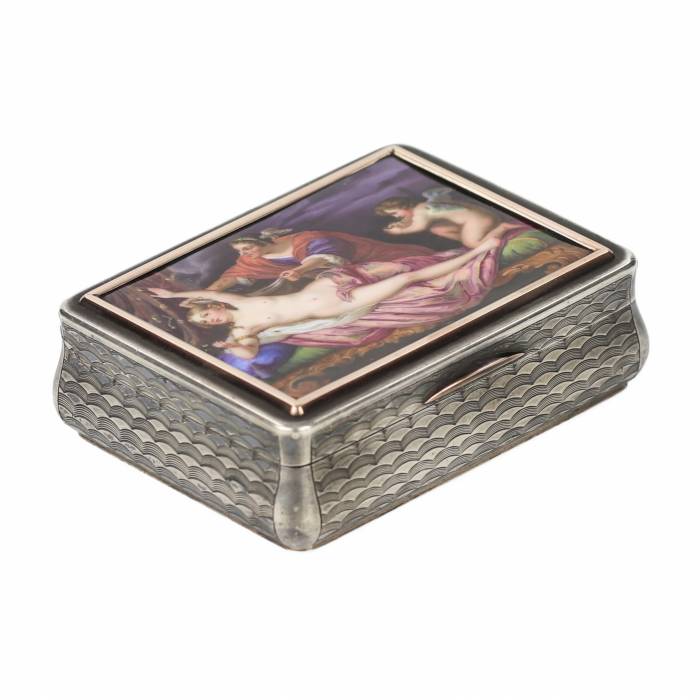
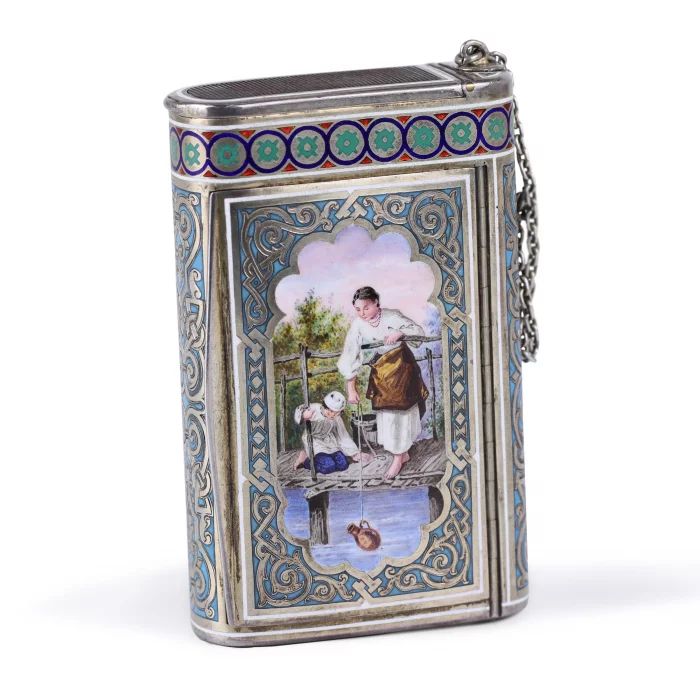
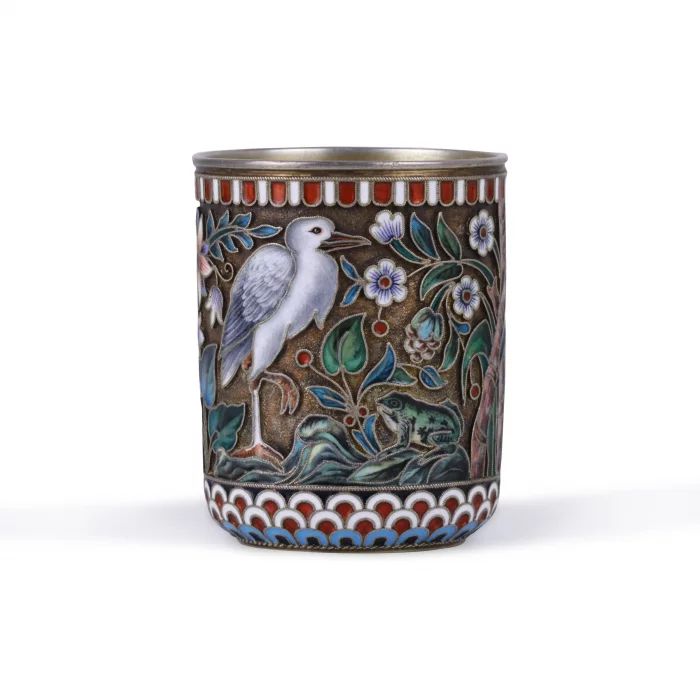
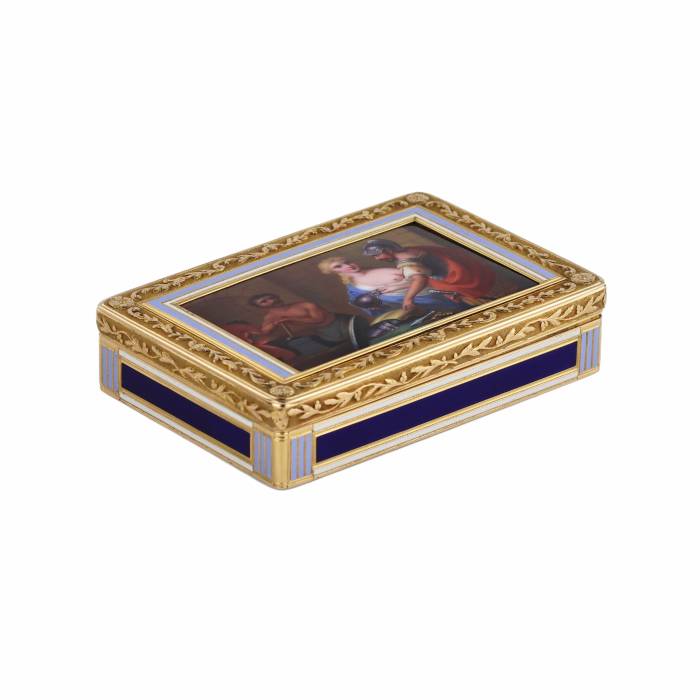
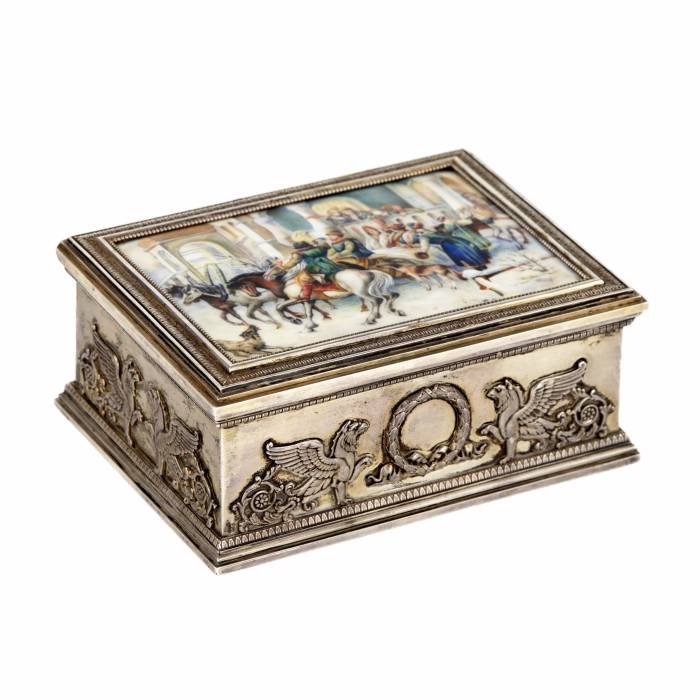
Painted Enamel is a pictorial technique within the decorative arts, based on the use of enamel pigments as an autonomous painterly layer. It allowed for subtle chromatic gradations, complex compositional structures, and developed narrative scenes, forming a refined synthesis of jewelry craftsmanship and the tradition of miniature painting.
We will only share latest what our month on the PAINTED ENAMEL.
HISTORY AND ORIGIN
Painted Enamel developed in Europe during the Renaissance, particularly in France and Italy, in close connection with the tradition of enamel miniature painting. From the 16th century onward, the technique was used for medallions, portrait inserts, and ceremonial objects. During the 17th and 18th centuries, it became part of the artistic language of European court workshops, where it served for sophisticated decorative and allegorical compositions. In the 19th century, Painted Enamel experienced renewed development within Russian jewelry schools, while in the 20th and 21st centuries it has continued in authorial, restoration, and experimental artistic contexts.
TECHNIQUE AND PROCESS
The technique is based on the successive application of enamel pigments onto a carefully prepared metal surface. The enamel was applied in thin layers following the principle of painterly glazing, each layer fixed by firing at strictly controlled temperatures. The work was executed using brushes of varying thickness, allowing for complex chromatic nuance, transparency, and subtle chiaroscuro modeling. The process required exceptional precision, as even slight deviations in firing temperature could result in distortion of the image. Painted Enamel was often combined with gilding, engraving, and chasing.
ARTISTIC AND STYLISTIC CONTEXT
Painted Enamel is distinguished by its illusionistic depth, smooth color transitions, and the absence of rigid contour lines. Unlike cloisonné or champlevé enamel, the composition is conceived as a unified pictorial field, bringing the technique closer to the tradition of miniature painting. Its widest dissemination occurred during the periods of Historicism and Art Nouveau, when interest in genre scenes, portraiture, and allegorical subjects intensified and decorative art entered into active dialogue with academic painting.
APPLICATION AND MASTERS
The technique was employed in decorative inserts, medallions, snuffboxes, cigarette cases, icon covers, and ceremonial tableware. In Russia, Painted Enamel developed within Moscow and Saint Petersburg jewelry workshops of the late 19th and early 20th centuries, including the workshops of Pavel Ovchinnikov Factory, Feodor Ruckert Workshop, and the firm of Fabergé, where it was used predominantly in the later period of their activity to create complex narrative and decorative compositions of high artistic quality.
MARKET ANALYSIS
Exceptional examples: Museum-level objects featuring Painted Enamel, including portrait medallions and snuffboxes with multi-figure compositions. Price range: €150,000-600,000. Auction record: Snuffbox with a painted enamel portrait miniature, circa 1900, sold in 2021 for €520,000.
Rare examples: Objects with genre or allegorical scenes executed in Painted Enamel. Price range: €40,000-150,000. Auction record: Cigarette case with painted enamel, 1890s, sold in 2019 for €110,000.
Standard examples: Serial decorative objects with painted enamel inserts. Price range: €5,000-30,000. Auction record: Painted enamel medallion, 1905, sold in 2018 for €28,000.