Price:
1500 €
Add to cart

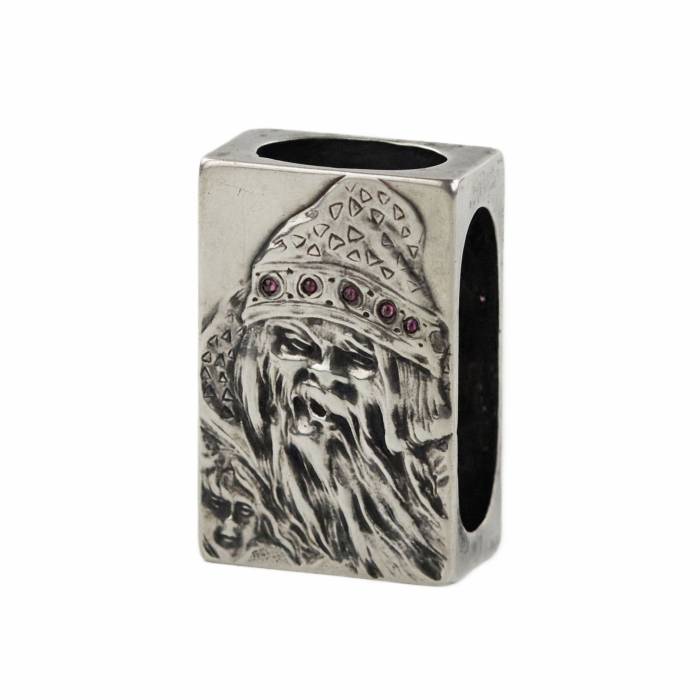
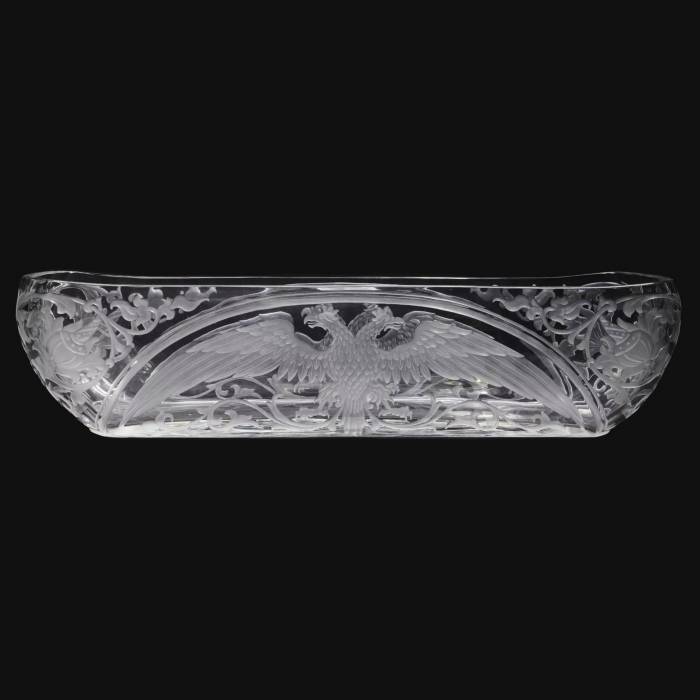
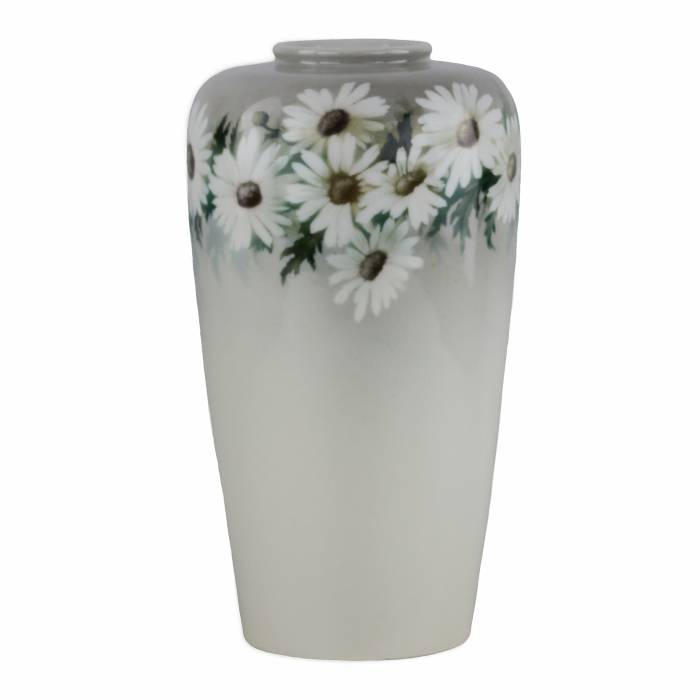
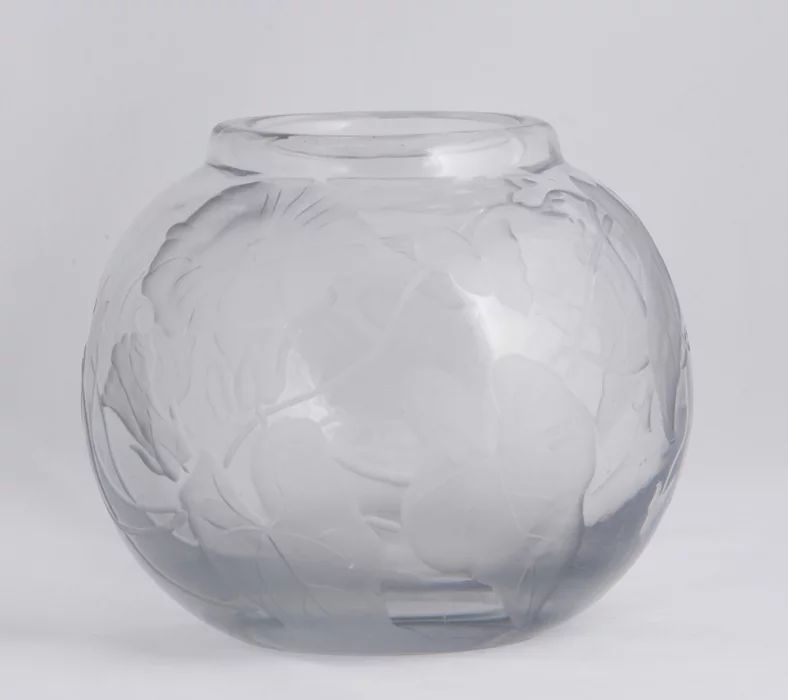
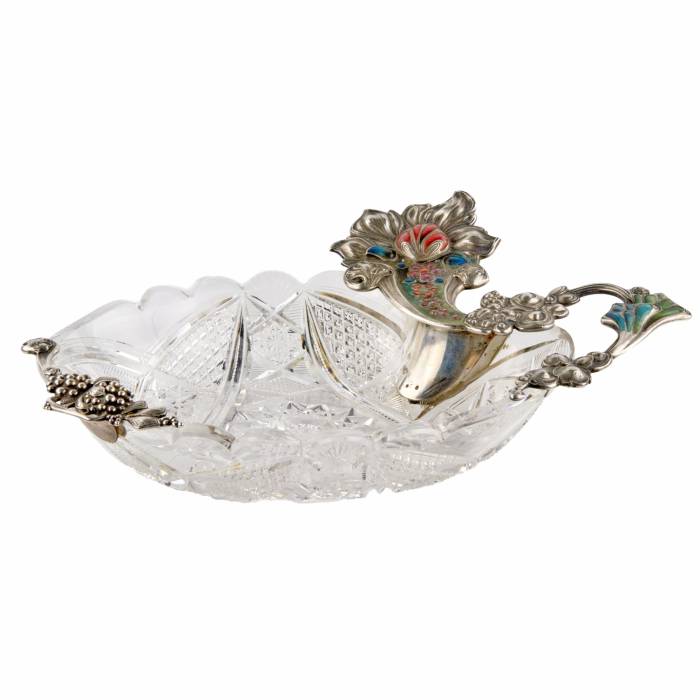
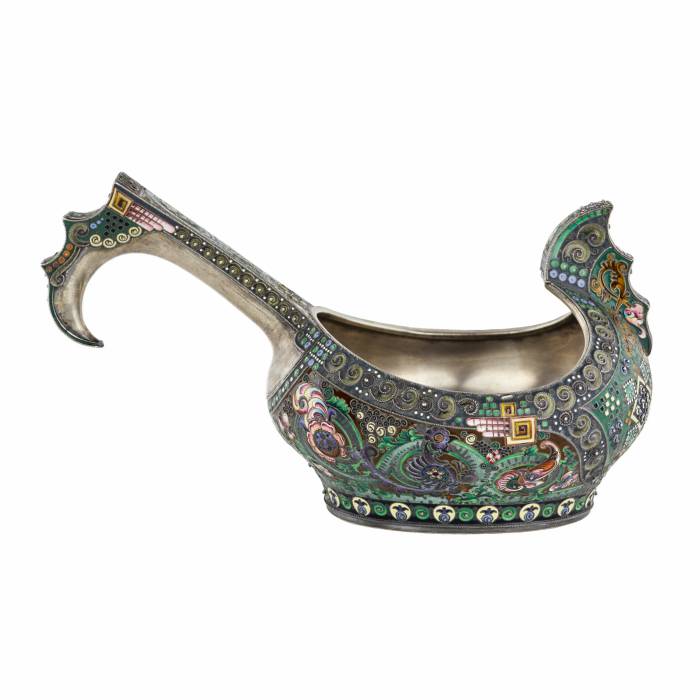
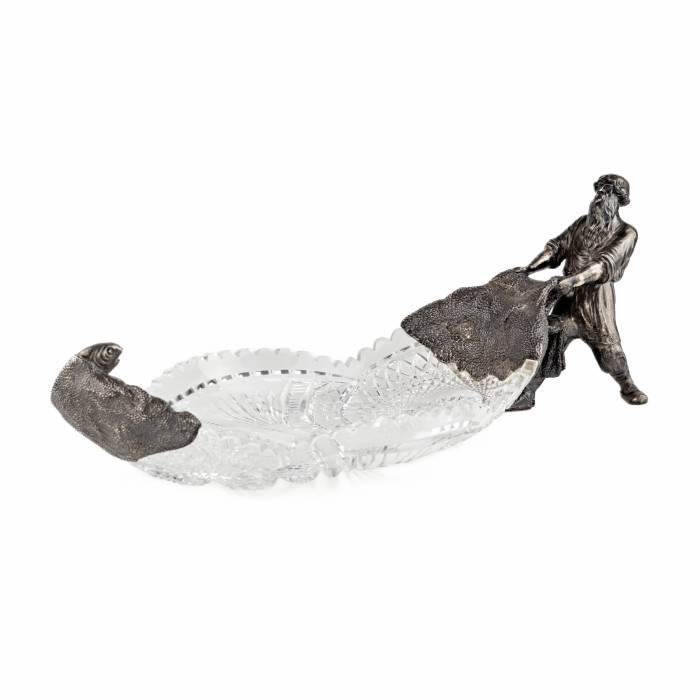
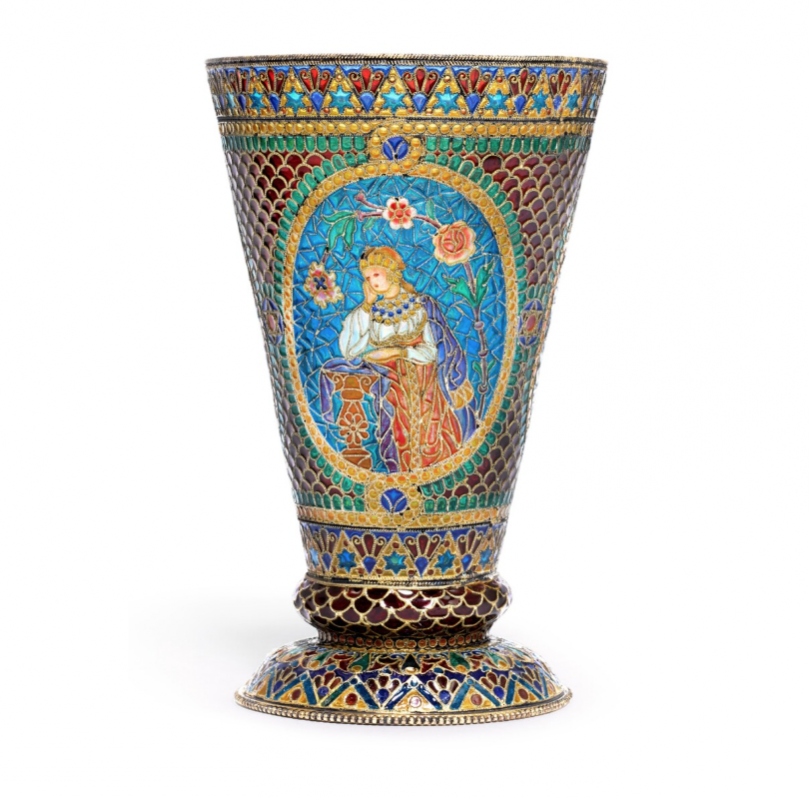
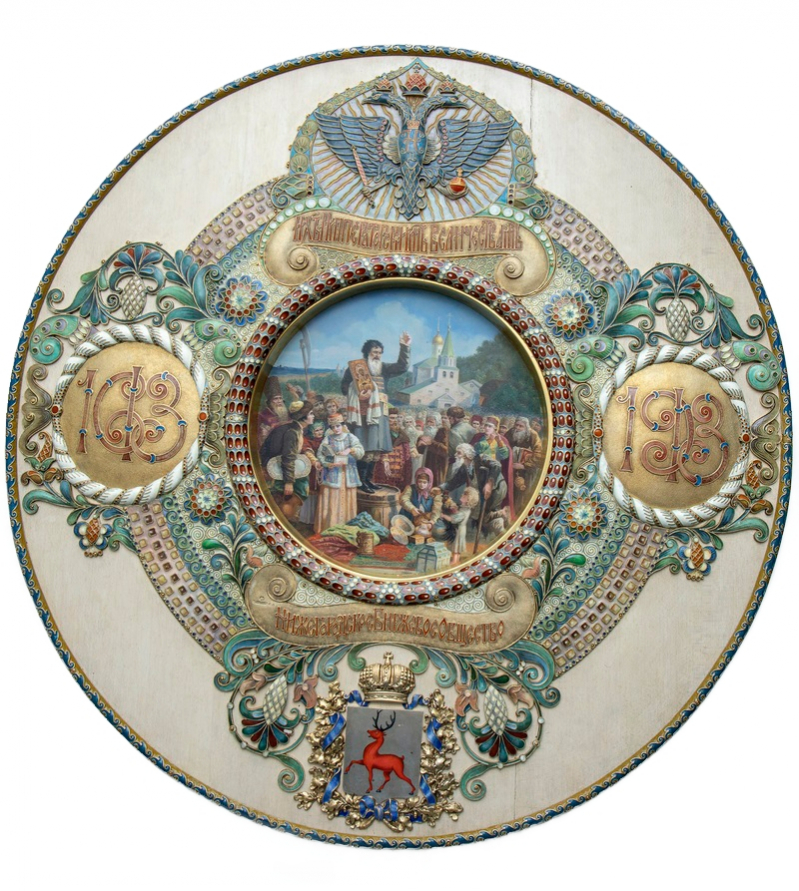
The Russian Modern style is an artistic movement of the late 19th and early 20th centuries that emerged in Russia at the intersection of European Art Nouveau and national historical traditions. The style combined decorative expressiveness, symbolism, and references to Old Russian and Byzantine heritage, encompassing architecture, painting, jewelry, and decorative arts.
We will only share latest what our month on the RUSSIAN MODERN.
ORIGIN AND DEVELOPMENT
Russian Modern developed during a period of intense cultural dialogue between Russia and Europe and coincided with a broader reassessment of national identity. Unlike Western Art Nouveau, primarily focused on organic lines and the aesthetics of nature, the Russian variant incorporated motifs from Old Russian architecture, icon painting, and folk ornament. The style took shape in major artistic centers such as Moscow and Saint Petersburg, as well as in Abramtsevo and Talashkino, where experimental artistic communities played a decisive role. By the early 1900s, Russian Modern had become a universal visual language for architecture, decorative arts, and objects of daily life, achieving a high degree of artistic unity.
ARTISTIC CHARACTERISTICS
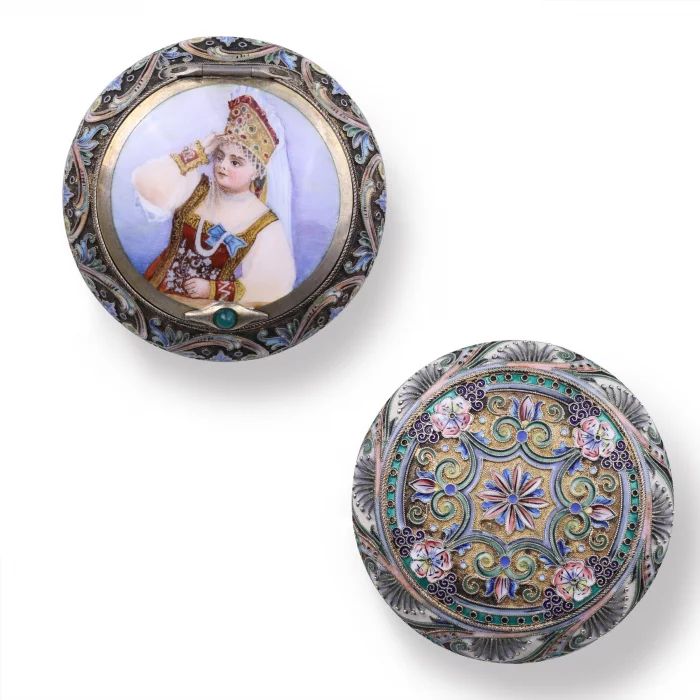
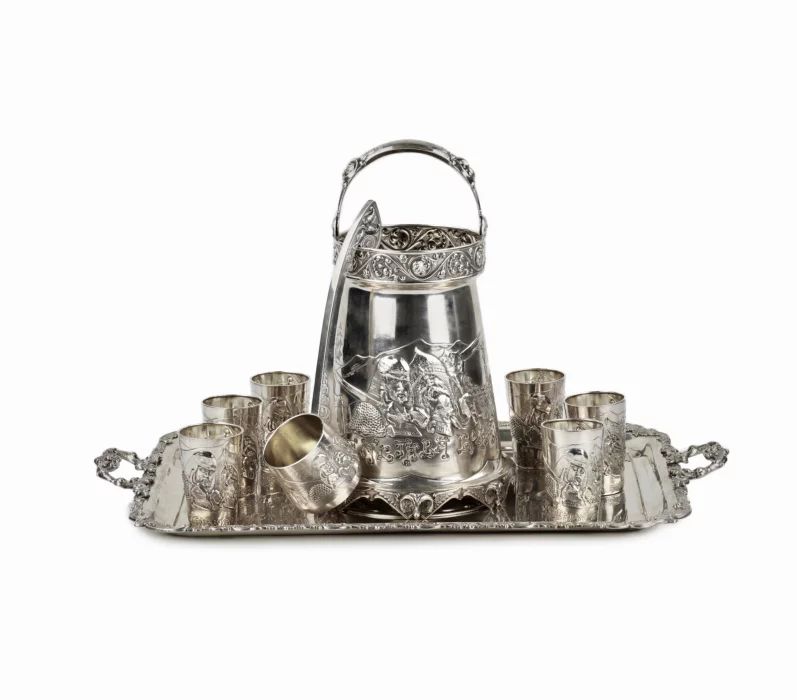
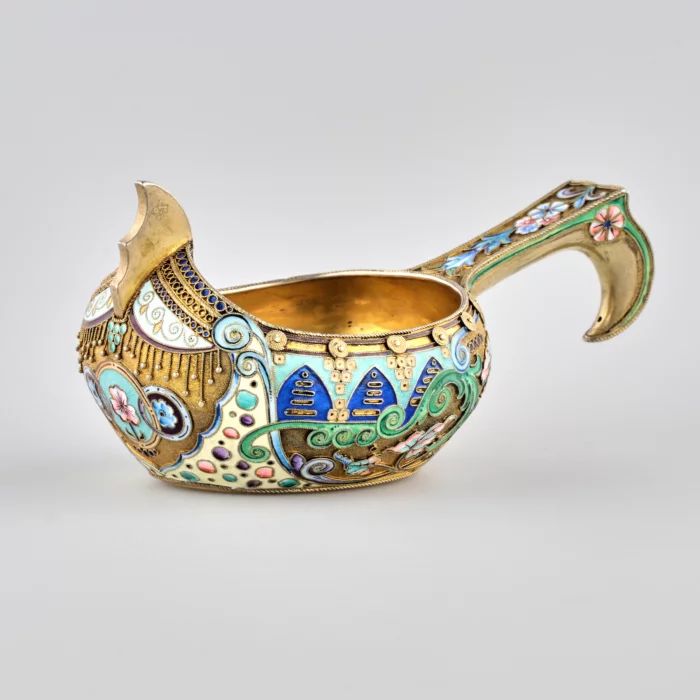
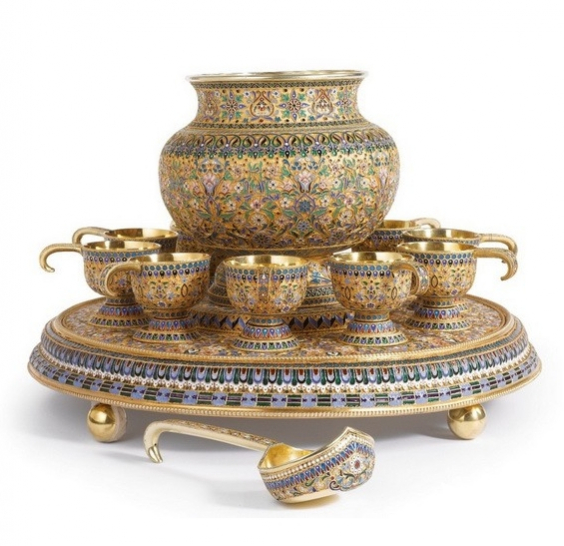
Russian Modern is distinguished by asymmetrical compositions, flowing silhouettes, and an emphasis on decorative surfaces. Ornamentation often draws on stylized plant motifs, Old Russian symbols, and fantastical imagery. The color palette favors subdued, enamel-like tones enhanced by gilding and contrasts of texture. In decorative and applied arts, particular importance is given to enameling, chasing, engraving, niello, and the combination of diverse materials, resulting in complex and multilayered artistic forms.
NOTABLE SCHOOLS AND TRENDS
Moscow Russian Modern - a direction characterized by rich decoration and national motifs, especially prominent in jewelry and silverwork.
Saint Petersburg Modern - a more restrained and architecturally balanced variant, closer to European aesthetics.
Neo-Russian Style - a trend based on the reinterpretation of forms from Old Russian architecture and ornament.
Abramtsevo Circle - an artistic community that played a key role in shaping the national version of the style.
KEY AUTHORS AND WORKS
Russian Modern established a coherent artistic canon in which architecture, painting, and decorative arts evolved as a unified system, defining the visual language of the era and setting a high standard of artistic production.
MIKHAIL VRUBEL – Panels and decorative compositions (1890s);
FYODOR SHEKHTEL – Ryabushinsky Mansion (1900);
KARL FABERGÉ – Jewelry and enamel works (1890–1910);
PAVEL OVCHINNIKOV – Silver objects with enamels (late 19th century).
INFLUENCE AND LEGACY
Russian Modern exerted a significant influence on the development of architecture, design, and decorative arts in the 20th century. Its principles of artistic unity and synthesis of the arts were adopted by later movements, including Art Deco and Neoclassicism. Today, works of Russian Modern hold an important place in museum collections and are regarded as a key stage in the formation of a national artistic school and a distinctive interpretation of European modernism.