×
Create account and receive
15% DISCOUNT
your first acquisition
or

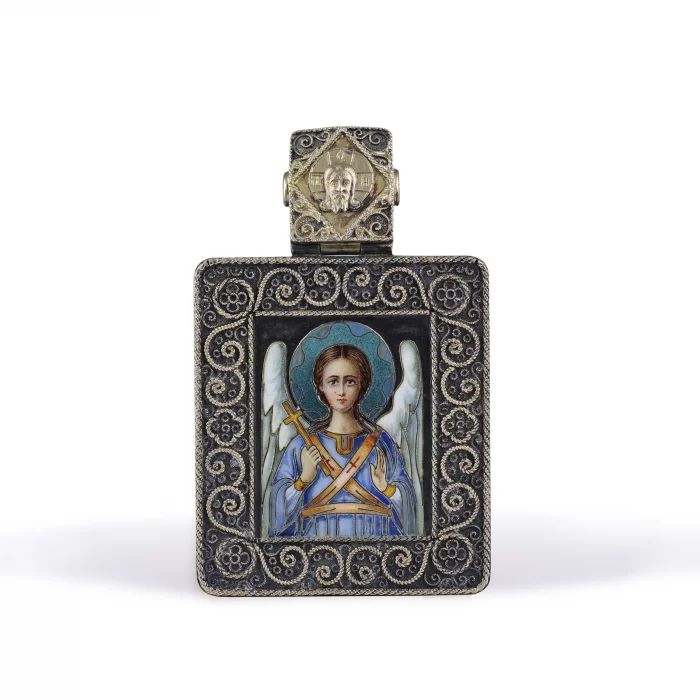
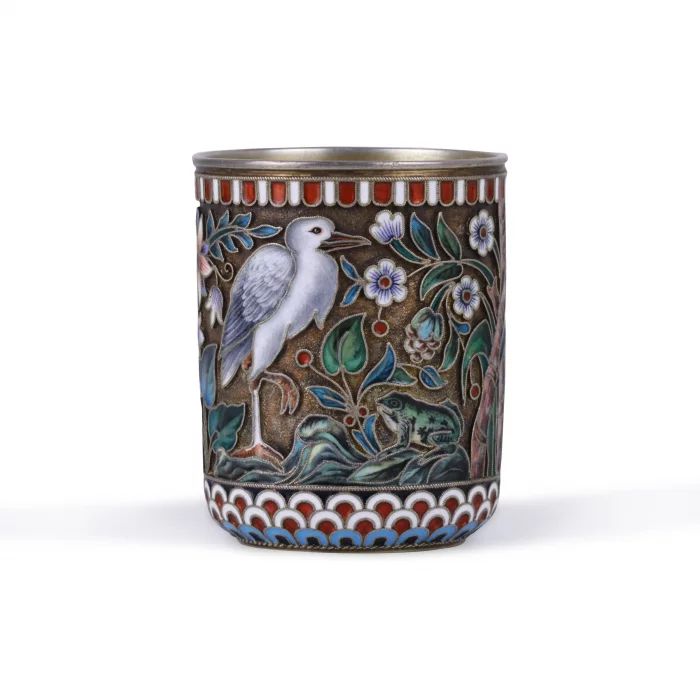
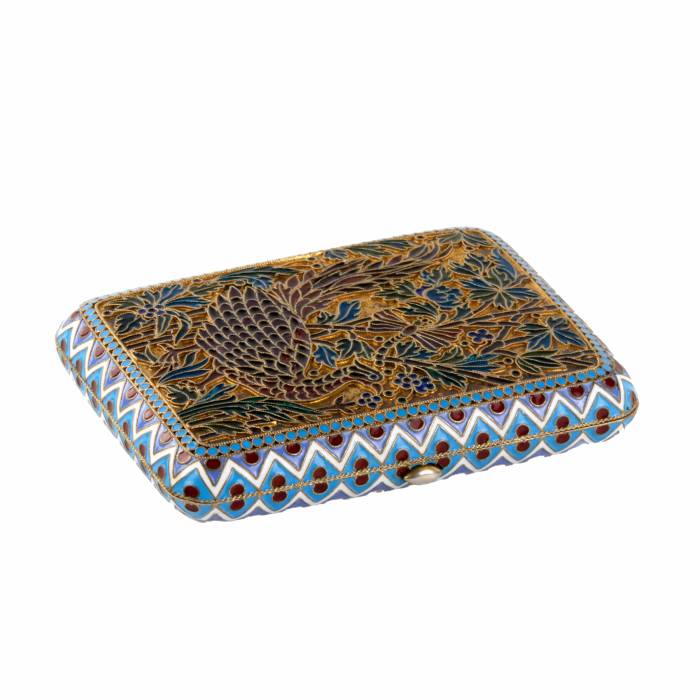
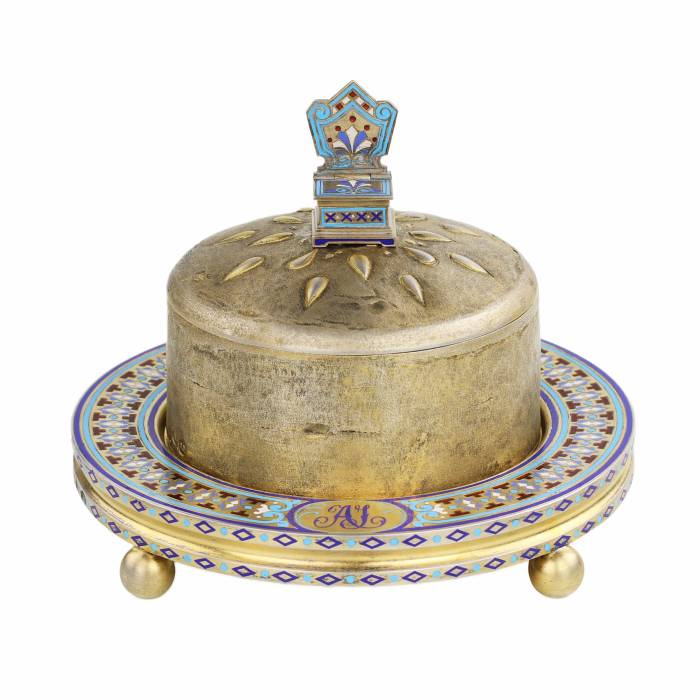
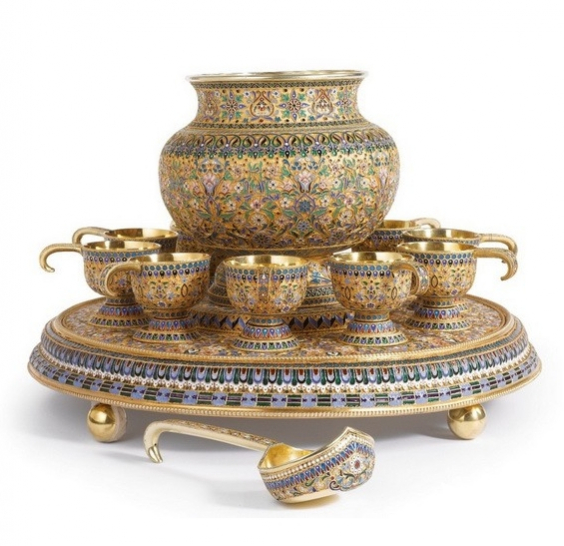
The Pavel Ovchinnikov Factory was one of the leading jewellery enterprises in Moscow in the second half of the 19th and early 20th centuries and an official Supplier to the Imperial Court. The firm specialised in artistic silver and cloisonné and painted enamels, establishing a benchmark for the Russian National Style and the Moscow school of enamelling.
We will only share latest what our month on the PAVEL OVCHINNIKOV FACTORY .
HISTORY AND DEVELOPMENT
The enterprise was founded in Moscow in 1853 by Pavel Akimovich Ovchinnikov (1830–1888). Originating as a small silversmith workshop, it rapidly developed into one of the largest artistic and industrial firms of the Russian Empire. After the founder’s death, the business was continued by his heirs and remained active until 1917. The factory operated retail premises in Moscow and Saint Petersburg and maintained a highly structured system of workshops, with clear divisions between jewellers, chasers and enamellers.
TITLES, AWARDS AND COMMISSIONS
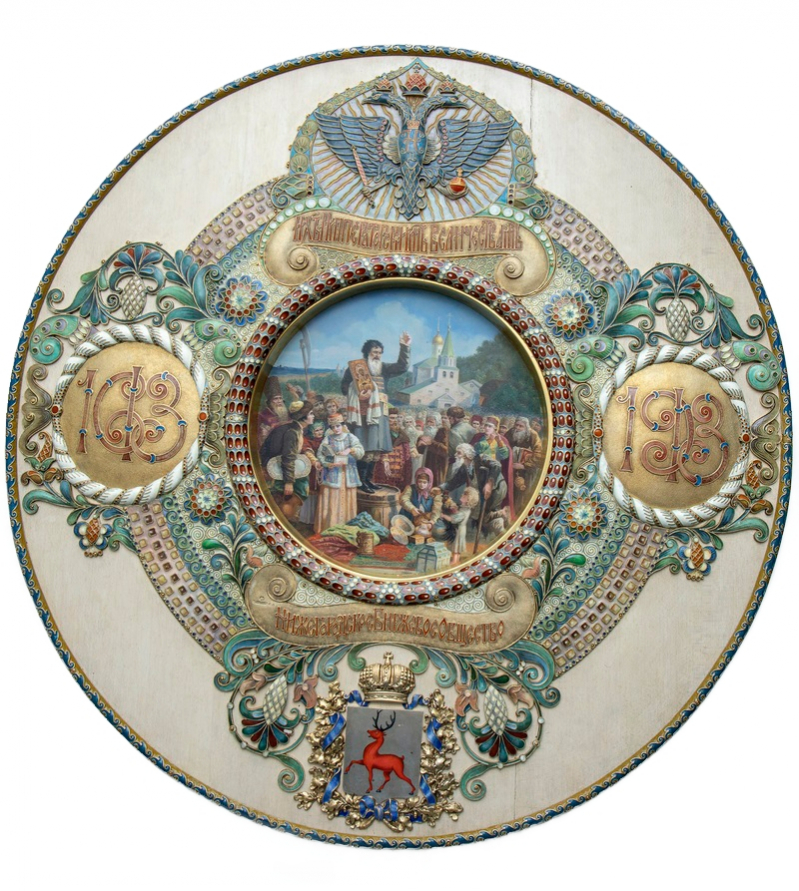
In 1865, the firm was granted the title of Supplier to the Imperial Court. Ovchinnikov’s works received numerous awards at national and international exhibitions, including those held in Paris and Vienna. Clients included members of the Imperial Court, the aristocracy, leading merchants and major ecclesiastical institutions. A significant part of the production consisted of ceremonial presentation pieces and church silver.
ARTISTIC SPECIFICITY AND TECHNIQUES
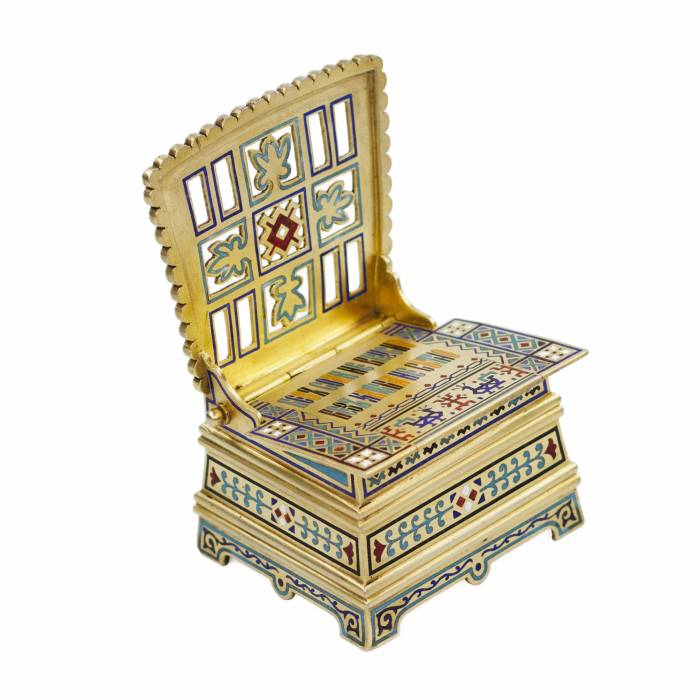
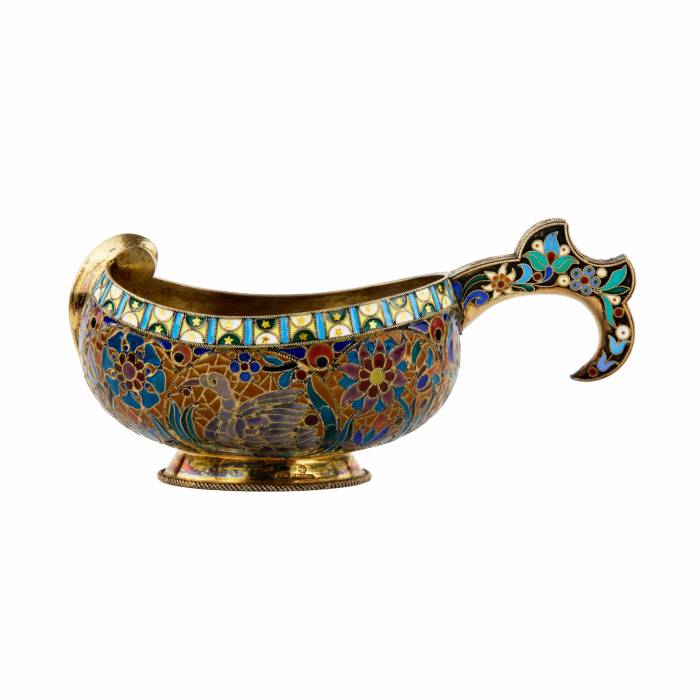
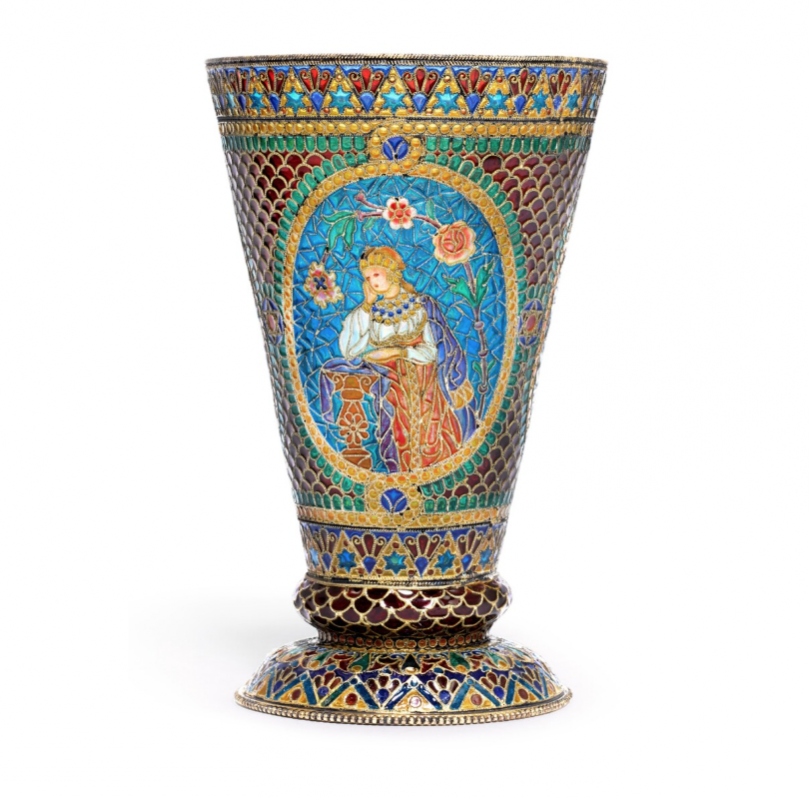
The factory became renowned for its mastery of cloisonné, champlevé and painted enamels on silver, as well as for refined chasing and engraving. Decorative programmes frequently drew on Old Russian art, vegetal ornament and stylised pre-Petrine forms. The artistic language developed within Historicism and the Russian Style, with a gradual transition towards elements of Russian Art Nouveau at the turn of the century.
LEGACY AND MASTERPIECES
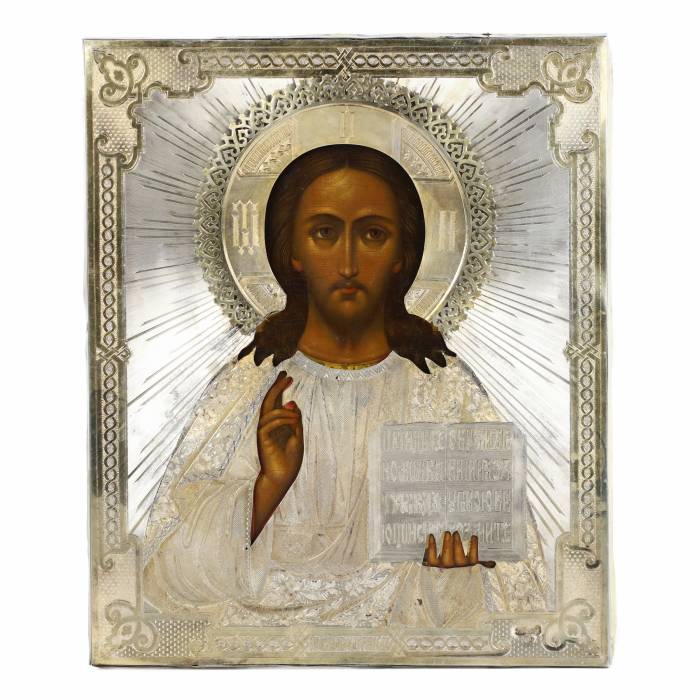
Among the most representative works are enamelled kovshi and bratina vessels of the 1870s–1890s, icon covers and church plate, as well as ceremonial services and snuffboxes decorated with polychrome enamels. Works by the factory are preserved in major museum collections, including the State Historical Museum, the State Hermitage Museum and the Fabergé Museum, where they are regarded as key examples of 19th-century Russian decorative art.
MARKET ANALYSIS
Exceptional works: Ceremonial pieces of museum quality, executed for Imperial or court commissions, occupy the highest market segment, with indicative prices ranging from €200,000 to €1.2 million. The strongest results are achieved by large enamelled vessels and important ecclesiastical objects.
Rare works: Authorial kovshi, bratina vessels, snuffboxes and services with complex enamels and distinctive ornamentation are generally valued between €50,000 and €300,000, supported by strong collector demand and the recognisability of the style.
Series works: Standard production, including tableware and small decorative objects, is typically encountered in the €1,000–50,000 range and remains consistently востребована among private collectors.