Price:
0 €
Add to cart

The House of Carl Fabergé is one of the most renowned jewelry firms of the late 19th and early 20th centuries, official supplier to the Imperial Russian Court, celebrated for its masterpieces in gold, silver, and enamel that epitomize the artistic refinement of the era.
We will only share latest what our month on the THE HOUSE OF CARL FABERGÉ.
HISTORY AND DEVELOPMENT
The Fabergé firm was founded in St. Petersburg in 1842 by Gustav Fabergé, a Baltic German jeweler. Its true flourishing came under his son, Carl Gustavovich Fabergé (1846–1920), who studied art in Dresden and Paris. Upon returning to Russia in the 1870s, he transformed a modest workshop into a grand artistic manufactory. At the 1882 All-Russian Exhibition in Moscow, Fabergé’s works earned a gold medal, marking the beginning of imperial patronage. By the early 20th century, Fabergé operated branches in Moscow, Kiev, London, and Odessa, employing over 500 artisans. The firm ceased operation after the 1917 Revolution; Carl Fabergé emigrated and died in Switzerland.
TITLES, AWARDS AND COMMISSIONS
Fabergé held the title of “Supplier to the Imperial Court” and produced jewelry for the Romanov family and other European royal houses. It received gold medals and Grand Prix awards at the World Exhibitions in Paris (1889, 1900). The firm’s most celebrated creations are the Imperial Easter Eggs, commissioned by Emperors Alexander III and Nicholas II between 1885 and 1917, each embodying technical perfection and symbolic sophistication.
ARTISTIC SPECIFICITY AND TECHNIQUES
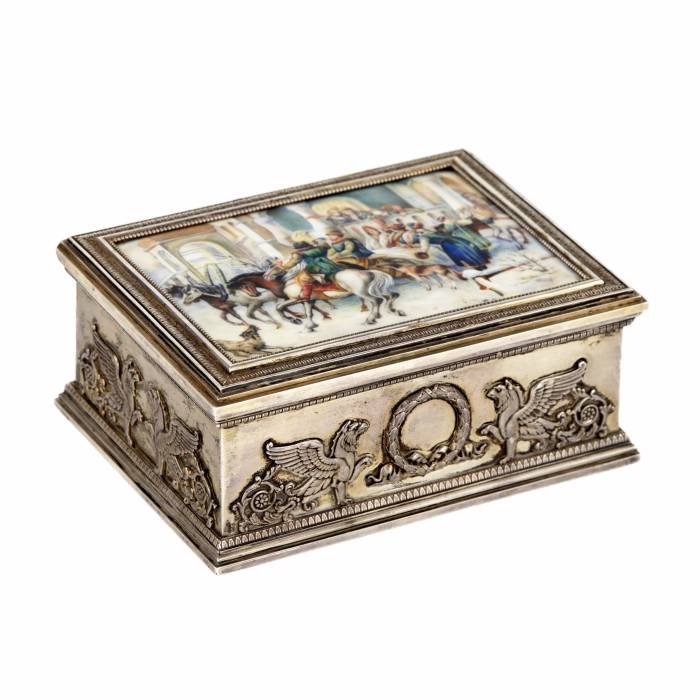
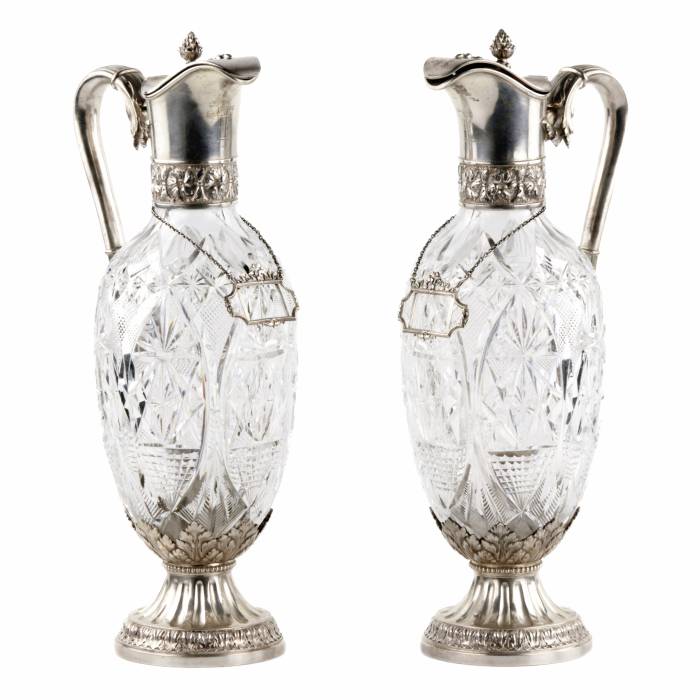
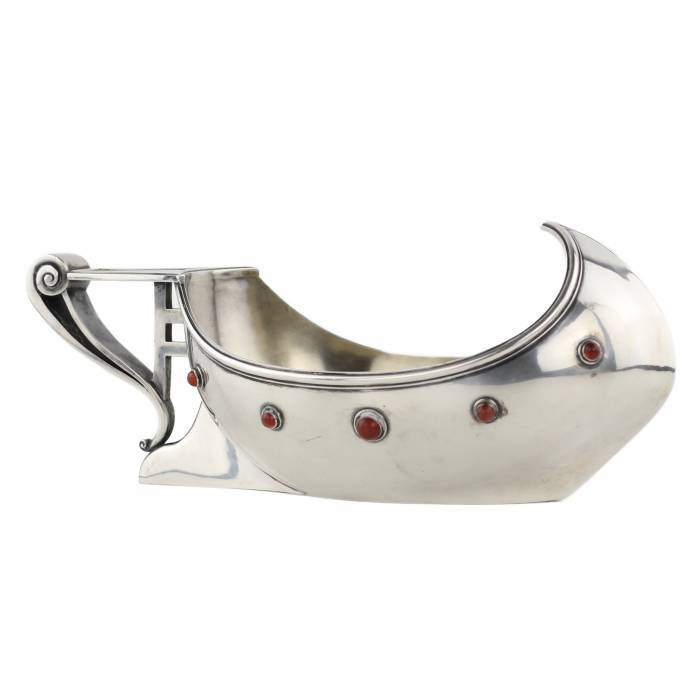
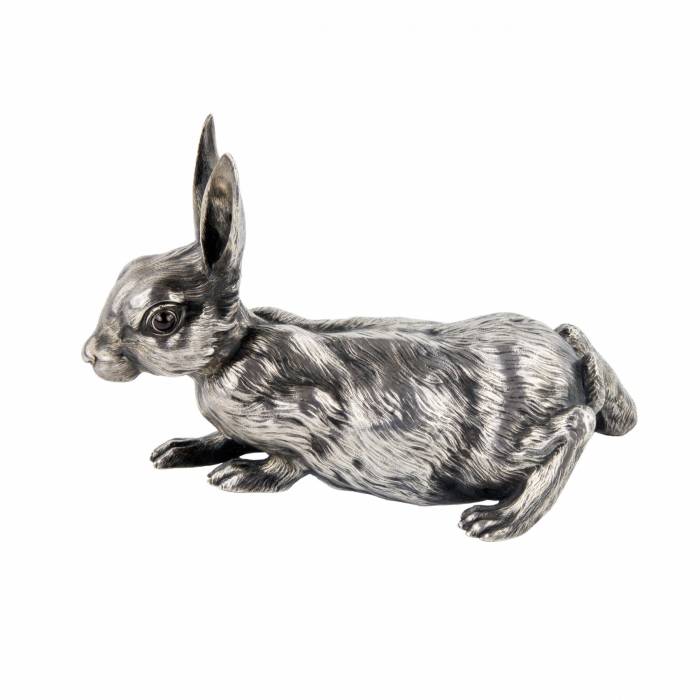
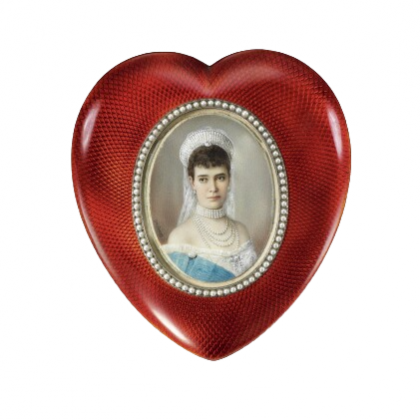
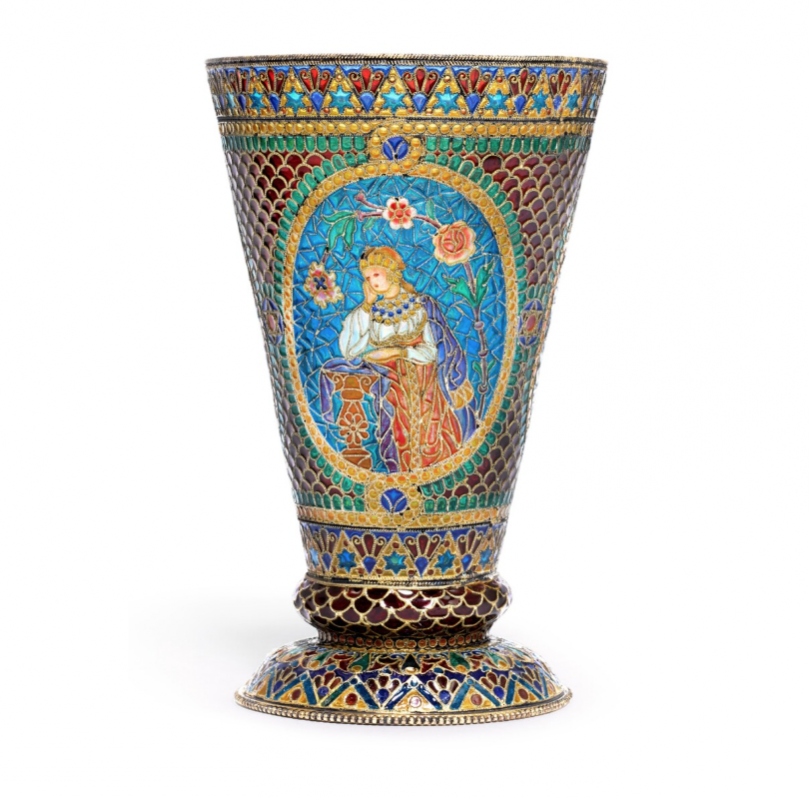
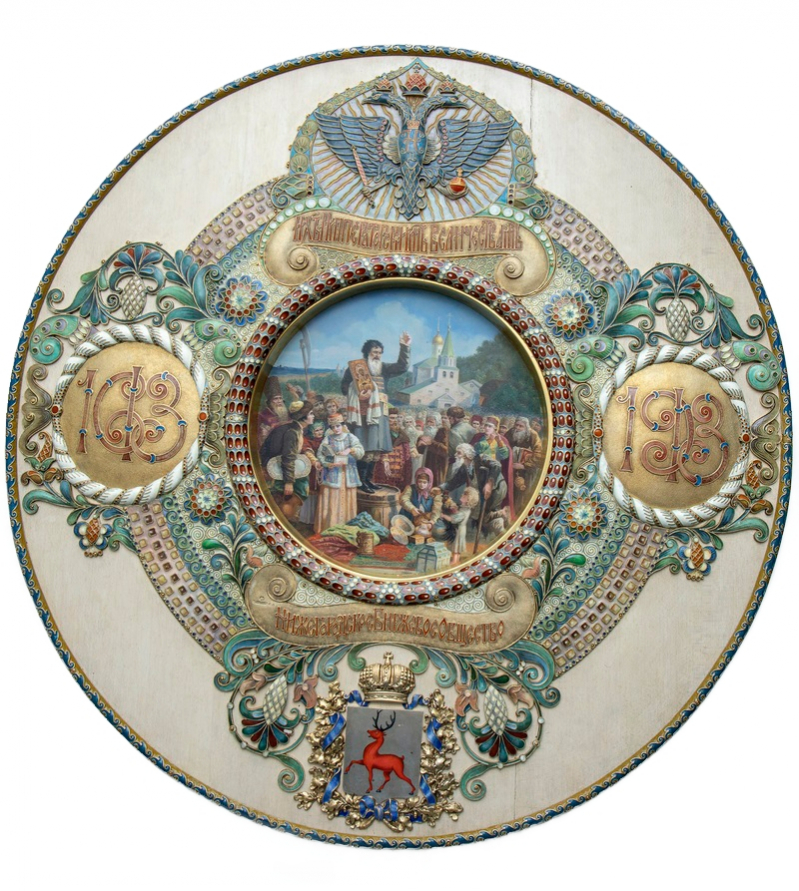
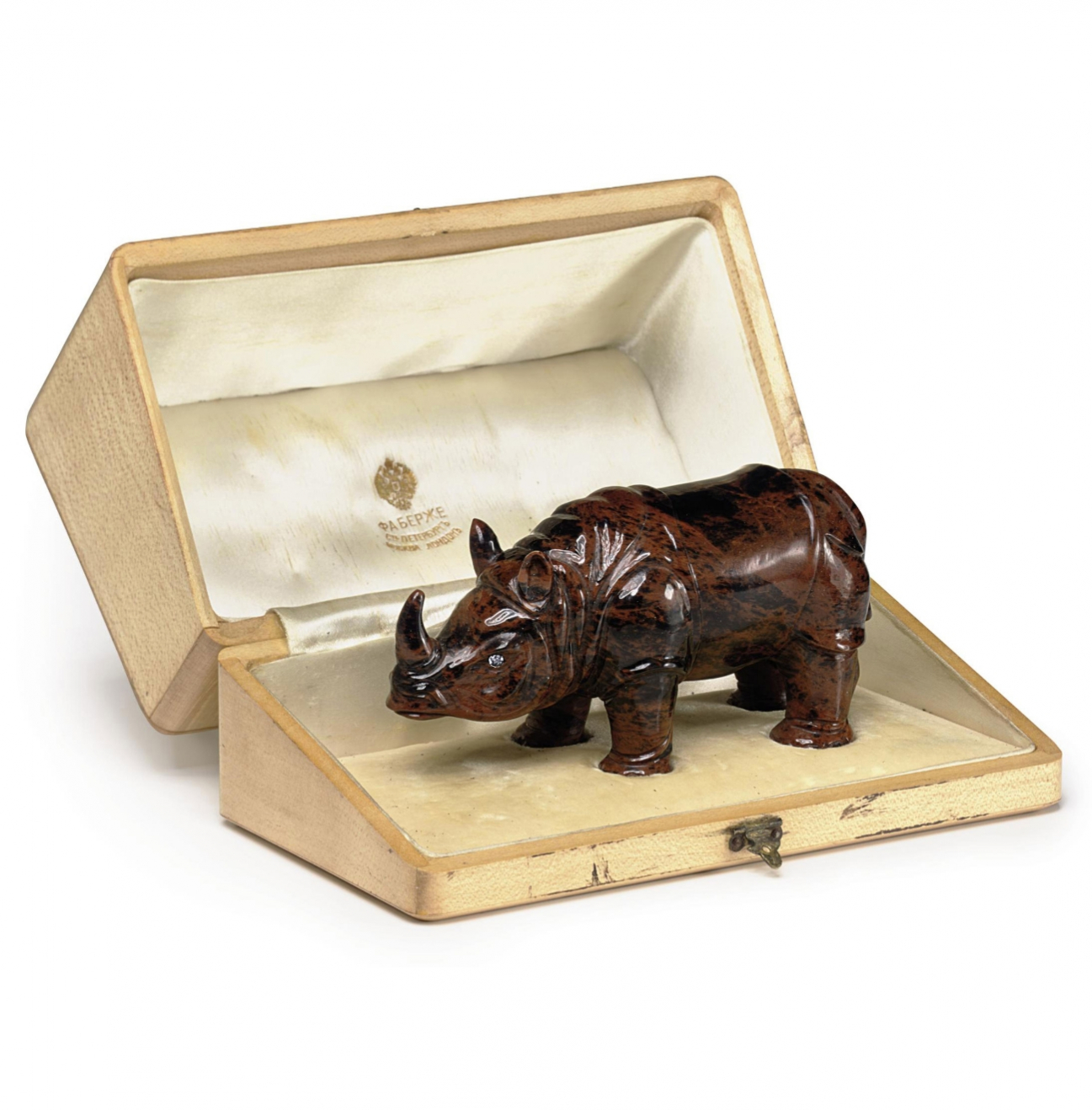
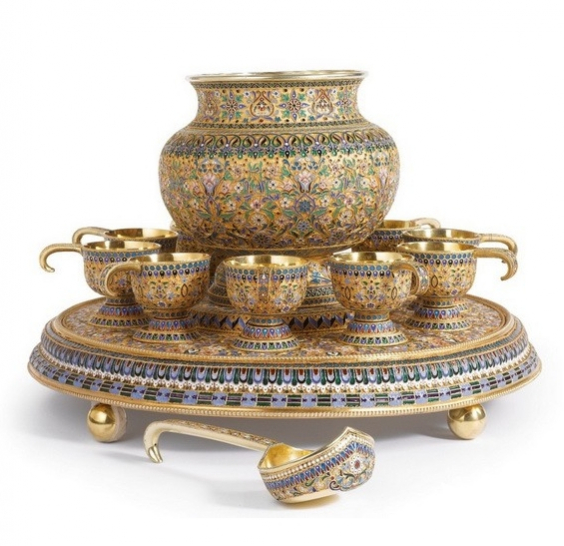
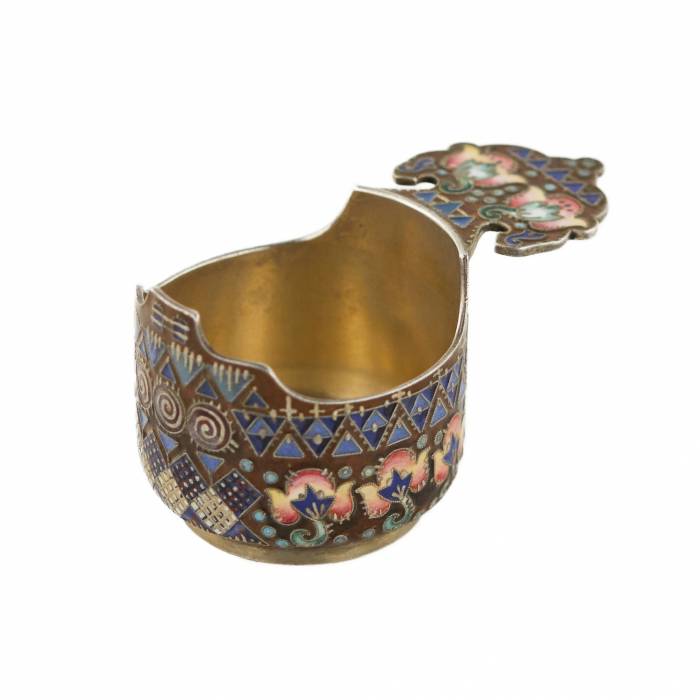
Fabergé’s artistic style blended Russian decorative traditions with European Art Nouveau and Rococo revival. The firm’s craftsmen mastered all jewelry techniques – from chasing and engraving to filigree, hardstone carving, and guilloché enamel. The use of translucent enamel over engine-turned metal became a hallmark of Fabergé design. Beyond jewelry, the firm produced refined desk and table objects, miniatures, animal figurines, and portrait busts from colored stones, reflecting the opulent yet inventive spirit of its time.
LEGACY AND MASTERPIECES
Fabergé’s name has become synonymous with the pinnacle of jewelry artistry. Among its masterpieces
The “Hen Egg” (1885), the first Imperial Egg, now in the Kremlin Armoury.
The “Coronation Egg” (1897), created for Nicholas II’s coronation, adorned with a golden lattice and miniature carriage, now in the Barlot Collection (USA).
The “Trans-Siberian Express Egg” (1900), symbolizing modern progress and artistic innovation.
Hardstone animal sculptures and crystal miniatures in the Hermitage, Victoria and Albert Museum, and the Metropolitan Museum of Art.
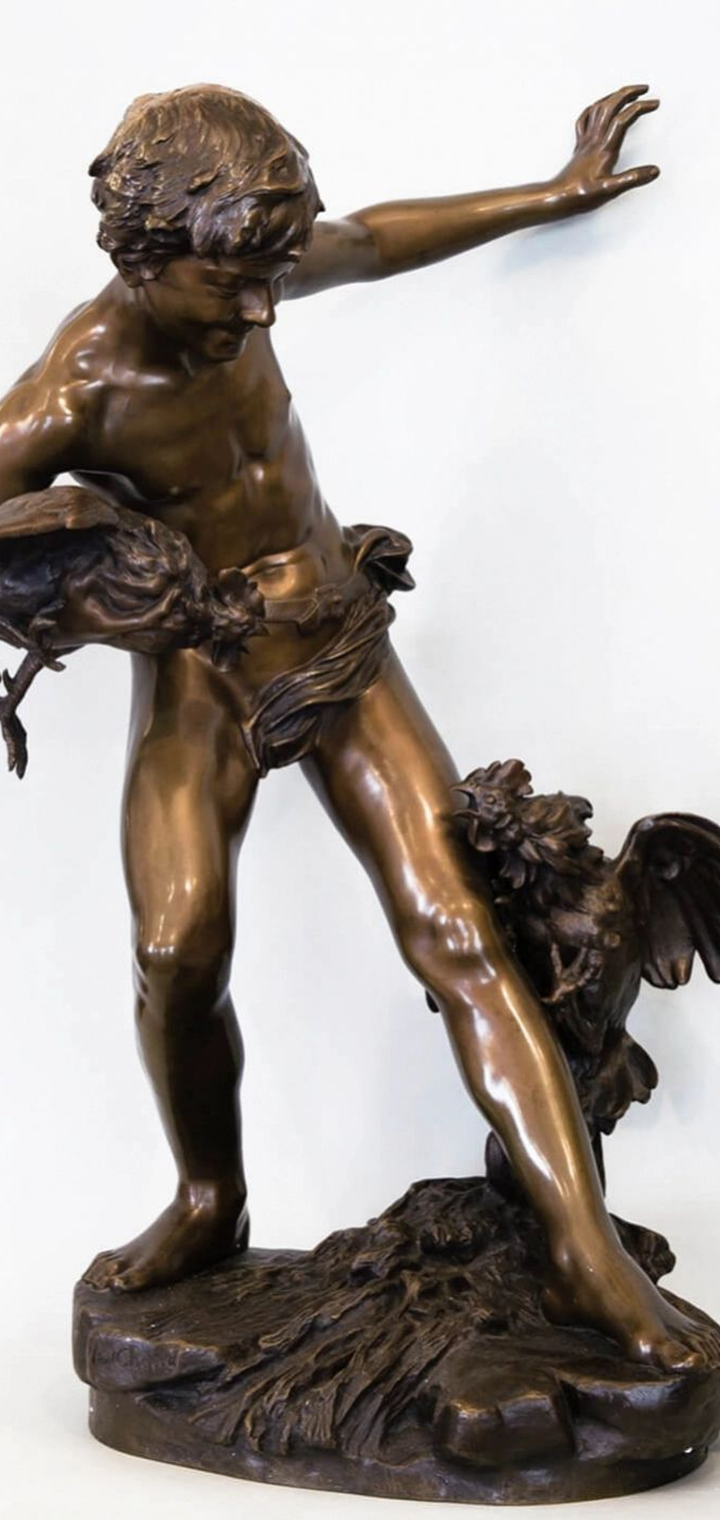
The auction catalog contains significant world works of Russian and European art of the XIX-XX centuries, works of painting masters, silver items, art casting and cabinet sculptures, as well as unique collectibles.You can familiarize yourself with the presented lots in more detail in the Antiqon Arts and Antiques Center, located at 52 Brivibas Street, Riga, Latvia.
Read more